



F.I.M.A. RESOURCES
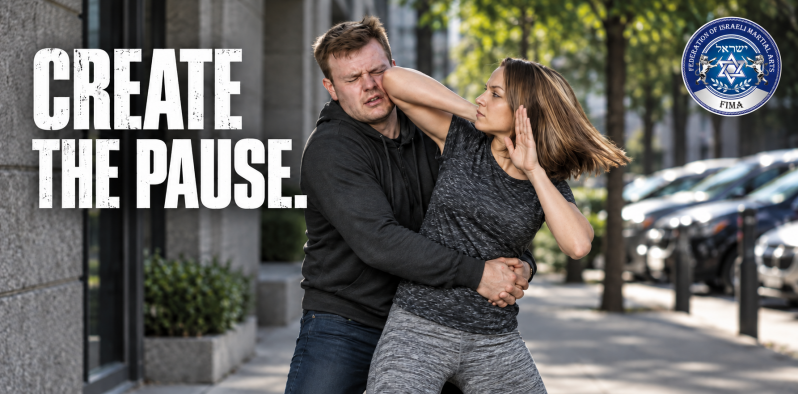
La maggior parte dei praticanti di Krav Maga ha bisogno di migliorare le proprie capacità di combattimento, ma non è necessario vincere un incontro sul ring.
Partiamo da un presupposto fondamentale: la maggior parte dei praticanti di Krav Maga ha bisogno di migliorare le proprie capacità di combattimento. Dobbiamo migliorare nella lotta in piedi, nel clinch e a terra. Non mi riferisco alle tecniche, ho sempre creduto fermamente in due dei concetti principali del Krav Maga: movimenti semplici e istintivi e la violenza dell'azione. Mi riferisco al momento successivo alla tecnica, se e quando il cattivo non cade a terra. È lì che inizia la lotta e, francamente, molti di noi hanno bisogno di migliorare.
Per fortuna, dobbiamo solo diventare bravi, non eccellenti. Non serve essere un campione di Muay Thai o di MMA per difendersi per strada, perché l'obiettivo è diverso. L'obiettivo di un combattente agonista è vincere. Nell'autodifesa in strada, l'obiettivo (di solito) è semplicemente tornare a casa...
Questo si traduce in alcune differenze molto specifiche (e no, non parlerò qui di calci all'inguine e di dita negli occhi). Per la difesa personale in strada, non è necessario essere esperti nel tagliare gli angoli o nell'avvicinarsi a un avversario che ha una portata maggiore (anche se sarebbe fantastico se lo si fosse). È sufficiente avere l'abilità di fare una cosa fondamentale: far esitare il malintenzionato.
Quella pausa ti dà il tempo di raccogliere una pietra. O di scappare. O di sbattere la porta. O di estrarre la tua arma. Quell'esitazione non è solo un momento nel combattimento, è il tuo obiettivo primario.
E questo tipo di esitazione si verifica di continuo negli sport da combattimento. I combattimenti di Muay Thai, le competizioni di MMA e gli incontri di boxe sono pieni di momenti in cui i combattenti si fermano e valutano la situazione. In quei momenti, entrambi i combattenti restano sul ring perché è il loro compito rimanere fermi. Negli sport da combattimento, quei momenti di esitazione sono quelli in cui la folla inizia a urlare chiedendo più sangue. Nel mondo reale, è il segnale per scappare.
Ecco il problema che vedo: molti di noi non sono abbastanza bravi da provocare quella pausa. E se non riesci a causare quell'esitazione nel cattivo, non la farai franca.
Quindi fate più sparring. Fate più clinch. Lavorate di più contro un avversario non collaborativo. E ricordate che non dovete vincere ogni incontro di sparring. Ma dovete far riflettere l'altro, anche solo per un attimo, sulle sue scelte di vita.
A cura di John Whitman, fondatore della "Krav Maga Alliance".
OGNI TANTO È UTILE, E FORSE NECESSARIO, RITORNARE A INDOSSARE LA CINTURA BIANCA












CUSTOMER SERVICE EXCELLENCE IN THE MARTIAL ARTS INDUSTRY
Exceptional customer service is the cornerstone of success in the martial arts industry. Providing outstanding customer service not only ensures student satisfaction but also contributes to the growth and reputation of your martial arts business. In this article, we will explore the role of customer service excellence in Martial Arts businesses. We will discuss strategies for creating a positive and personalized student experience and provide tips on effective communication, handling complaints, and building customer loyalty.
- The Role of Exceptional Customer Service in Martial Arts Businesses:Customer service goes beyond providing basic assistance; it involves creating a positive and memorable experience for your students. Here's why exceptional customer service is vital in the Martial Arts industry:
Student Satisfaction: Exceptional customer service ensures that students have a positive experience throughout their martial arts journey. When students feel supported, respected, and valued, they are more likely to remain engaged, refer others, and continue their training.
Reputation Building: Word-of-mouth is a powerful marketing tool in the Martial Arts industry. Exceptional customer service helps build a positive reputation for your martial arts business. Satisfied students are more likely to share their positive experiences with friends, family, and colleagues, which can lead to increased enrollment and growth.
Differentiation from Competitors: In a competitive market, exceptional customer service sets your martial arts business apart from competitors. When students receive personalized attention, prompt assistance, and a welcoming environment, they are more likely to choose your studio over others.
- Strategies for Creating a Positive and Personalized Student Experience:To provide exceptional customer service, it is important to create a positive and personalized student experience. Consider the following strategies:
Warm and Welcoming Environment: Create a welcoming atmosphere in your martial arts studio. Greet students with a smile, use their names, and foster a sense of belonging. Encourage instructors and staff to engage in friendly conversations with students to make them feel comfortable and valued.
Personalized Attention: Treat each student as an individual with unique goals and needs. Take the time to understand their motivations and aspirations. Provide personalized guidance, support, and feedback to help them progress in their martial arts journey.
Regular Communication: Maintain open lines of communication with your students. Regularly share updates, class schedules, and any relevant information through various channels such as email, social media, or a dedicated student portal. Encourage two-way communication and promptly address any questions or concerns raised by your students.
- Tips on Effective Communication, Handling Complaints, and Building Customer Loyalty:Effective communication, complaint resolution, and building customer loyalty are crucial aspects of exceptional customer service. Consider the following tips:
Clear and Timely Communication: Communicate with your students clearly, consistently, and in a timely manner. Provide clear instructions for class schedules, changes, and any upcoming events or promotions. Be responsive to emails, phone calls, or messages, ensuring that students feel heard and valued.
Active Listening and Empathy: Practice active listening when students express concerns, feedback, or complaints. Show empathy and understanding, and strive to resolve issues promptly and effectively. Addressing concerns with care and sensitivity demonstrates your commitment to student satisfaction.
Continuous Improvement: Regularly seek feedback from your students to identify areas for improvement. Conduct surveys, hold focus groups, or engage in one-on-one conversations to gather insights on how you can enhance the student experience. Use this feedback to make necessary adjustments and continuously improve your customer service.
Rewards and Recognition: Implement a rewards program or recognize student achievements to foster loyalty and motivation. Celebrate student milestones, belt promotions, or other accomplishments publicly to show appreciation and inspire others. Recognizing and rewarding student dedication and progress helps build a sense of community and loyalty within your Martial Arts business.
Exceptional customer service is essential for martial arts businesses to thrive and succeed. By providing a positive and personalized student experience, you not only ensure student satisfaction but also build a strong reputation and differentiate your business from competitors. Strategies such as creating a warm and welcoming environment, offering personalized attention, and maintaining regular communication contribute to a positive student experience. Effective communication, complaint resolution, and building customer loyalty are vital components of exceptional customer service. By actively listening, addressing concerns, continuously improving your services, and recognizing student achievements, you can foster strong relationships with your students and cultivate a loyal student community. Embrace the importance of exceptional customer service in your martial arts business to create a supportive and engaging environment that keeps students motivated, satisfied, and committed to their martial arts journey.
Exceptional customer service is the cornerstone of success in the martial arts industry. Providing outstanding customer service not only ensures student satisfaction but also contributes to the growth and reputation of your Martial Arts business. In this article, we will explore the role of customer service excellence in martial arts businesses. We will discuss strategies for creating a positive and personalized student experience and provide tips on effective communication, handling complaints, and building customer loyalty.
The Psychology Behind Martial Arts:
Enhancing Student Experience
Understanding and applying psychological principles can significantly enhance the Martial Arts training experience, fostering a positive environment that motivates students, boosts retention, and promotes personal growth. By recognizing the mental and emotional aspects of martial arts, instructors can create more effective training programs, improve student engagement, and foster a supportive community. This guide explores key psychological principles relevant to martial arts training and offers insights into applying these concepts in daily operations.
Psychological Principles to Improve Training and Retention
Growth Mindset
Encouraging a growth mindset among students can profoundly impact their progress and retention. This involves fostering the belief that abilities can be developed through dedication and hard work. Highlighting effort over innate talent, providing constructive feedback, and celebrating personal improvements can motivate students to embrace challenges and persist through setbacks.
Self-Determination Theory
Self-determination theory emphasizes the importance of autonomy, competence, and relatedness in fostering intrinsic motivation. In the context of martial arts:
Autonomy: Offer students choices in their training focus or techniques to practice, allowing them to feel a sense of control over their learning.
Competence: Set achievable goals and recognize accomplishments to help students experience a sense of mastery.
Relatedness: Foster a sense of community and belonging within the dojo, encouraging peer support and shared experiences.
Goal Setting
Effective goal setting can guide students' focus, increase their persistence, and enhance their motivation. Work with students to set specific, measurable, achievable, relevant, and time-bound (SMART) goals. Regularly review these goals to celebrate achievements and adjust plans as needed.
Applying These Principles in Daily Operations
Tailored Instruction
Adapt teaching methods to meet the diverse needs and learning styles of your students. Offer personalized feedback, adjust the pace of instruction, and provide various training methods to cater to different preferences and abilities.
Positive Reinforcement
Use positive reinforcement to acknowledge students' efforts and achievements. This can include verbal praise, recognition in front of the class, or tangible rewards like certificates or belts. Positive reinforcement not only boosts students' confidence but also reinforces desired behaviors and attitudes.
Creating a Supportive Environment
Cultivate an environment where students feel safe to express themselves, take risks, and make mistakes. Encourage senior students to mentor beginners, and promote a culture of respect, empathy, and mutual support among all members.
Mindfulness and Mental Training
Incorporate mindfulness and mental training exercises into your programs. Techniques such as visualization, breathing exercises, and meditation can enhance focus, reduce stress, and improve overall performance.
Encouraging Reflection
Encourage students to reflect on their training, challenges they've faced, and progress they've made. This can be facilitated through informal discussions, journals, or group debriefs after classes. Reflection helps students internalize their learning and appreciate their growth journey.
Integrating psychological principles into martial arts training can profoundly impact students' experiences, fostering environments that support growth, motivation, and a strong sense of community. By understanding and applying concepts like growth mindset, self-determination, and effective goal setting, instructors can enhance training effectiveness, boost student retention, and contribute to the holistic development of their students. Through thoughtful application of these principles, martial arts schools can not only improve technical skills but also nurture resilient, confident, and motivated martial artists.
The Art of Negotiation
Strategies for Martial Arts Professionals
Negotiation is a skill as critical to martial arts professionals off the mat as physical techniques are on it. Whether you're negotiating a lease for your dojo, purchasing equipment, or forging new partnerships, effective negotiation can significantly impact your martial arts school's success and sustainability. This guide explores key negotiation strategies tailored for martial arts professionals, complemented by real-life examples to illustrate these tactics in action.
Understanding the Negotiation Process
Negotiation is fundamentally about reaching an agreement that satisfies all parties involved. It requires preparation, clear communication, and the ability to find common ground. Here are strategies to enhance your negotiation skills:
Do Your Homework
Before entering any negotiation, research thoroughly. Understand market prices for equipment, the going rates for commercial leases in your area, and what potential partners might seek from an alliance with your school.
Know Your Needs and Limits
Define what you need from the negotiation and identify your deal-breakers. Having clear objectives and boundaries ensures you don't agree to terms that aren't in your best interest.
Build Rapport
People prefer to do business with those they like and trust. Spend time building a relationship with the other party before diving into negotiations. Understanding their needs and concerns can also provide valuable leverage.
Listen More Than You Speak
Good negotiators are excellent listeners. By paying close attention to what the other party says, you can identify their priorities and adjust your proposals accordingly.
Aim for Win-Win Solutions
Negotiation isn't about defeating the other party; it's about finding solutions that benefit everyone. Approach negotiations with a collaborative mindset, seeking outcomes that offer mutual gains.
Real-Life Negotiation Examples
Negotiating a Dojo Lease
Challenge: A Martial Arts instructor was looking to expand to a larger space but faced high rental costs.
Strategy: After researching comparable rates in the area, the instructor prepared a proposal highlighting the community benefits of the martial arts school, including youth programs and self-defense classes. They also demonstrated how the school's stable history of timely rent payments and community involvement made them a low-risk tenant.
Outcome: The landlord agreed to a reduced rate in exchange for a longer lease term, benefiting both parties. The dojo secured a prime location at an affordable rate, and the landlord gained a long-term, reliable tenant.
Purchasing Equipment
Challenge: A Martial Arts school needed new training mats but found the costs prohibitive.
Strategy: The school approached several suppliers for quotes and negotiated bulk purchase discounts. They also offered to feature the supplier in their school's newsletters and at events, providing them with free marketing in exchange for a better price.
Outcome: The school obtained a significant discount on the mats, and the supplier received valuable exposure to a targeted audience, fostering an ongoing partnership.
Forming Partnerships
Challenge: A Martial Arts school sought to partner with a local fitness center to offer cross-promotion deals.
Strategy: Recognizing the mutual benefits of such a partnership, the school proposed a meeting to discuss potential collaboration. They prepared a detailed proposal outlining how each business could promote the other's services to their respective clientele, including shared membership deals and co-hosted events.
Outcome: The partnership agreement allowed both businesses to expand their offerings and tap into each other's customer bases, increasing memberships and class attendance.
Negotiation is an art that requires patience, preparation, and the ability to understand and align with the other party's needs. By applying these strategies, martial arts professionals can secure favorable terms in leases, equipment purchases, and partnerships, ensuring their school's growth and long-term success. Remember, the goal is to create agreements that are beneficial for all involved, fostering positive relationships and opportunities for future collaboration.
Exploring the Benefits of Cross-Training
In the evolving world of Martial Arts, the concept of cross-training has gained significant traction. Cross-training refers to the practice of training in multiple martial arts disciplines or incorporating elements from various physical activities to enhance one’s overall skills and performance. This approach not only broadens a practitioner's skill set but also introduces a range of physical and mental benefits. By integrating cross-training into their programs, martial arts schools can offer a more rounded experience to their students. This article delves into the advantages of such diversification and highlights case studies of schools that have successfully embraced cross-training.
Benefits of Incorporating Cross-Training into Programs
Enhanced Physical Conditioning
Cross-training challenges the body in different ways, improving overall physical conditioning. For instance, a taekwondo practitioner incorporating Brazilian Jiu-Jitsu into their routine can develop better ground fighting skills and increase their flexibility and core strength.
Injury Prevention
Relying solely on one Martial Arts discipline can lead to overuse injuries due to repetitive movements. Cross-training introduces variety, reducing the risk of injury by balancing the body's muscle use and giving overworked areas a chance to recover.
Improved Mental Engagement
Learning new skills and techniques keeps the mind engaged and prevents burnout. Cross-training introduces fresh challenges and goals, keeping training exciting and mentally stimulating.
Increased Versatility in Combat
A well-rounded skill set is invaluable in real combat situations. Cross-training equips martial artists with a diverse toolkit of techniques, improving their adaptability and effectiveness in various combat scenarios.
Broader Appeal to Prospective Students
Offering cross-training opportunities can attract a wider audience to a martial arts school. Potential students may be drawn to the idea of learning multiple disciplines within a single program.
Case Studies of Successful Implementation
Case Study 1: The Integrated Dojo
Background: A traditional Karate school noticed a plateau in student enrollment and engagement. To rejuvenate interest, they began offering Brazilian Jiu-Jitsu and Muay Thai classes, aiming to provide a more comprehensive martial arts education.
Implementation: The school introduced cross-training gradually, starting with weekly workshops led by guest instructors. They closely monitored student feedback and engagement levels to tailor the program effectively.
Outcome: The integration of cross-training significantly boosted student enrollment and retention rates. Students reported enjoying the variety and appreciated the opportunity to develop a more versatile skill set. The school's reputation as a forward-thinking, comprehensive martial arts institution grew, attracting students from various backgrounds.
Case Study 2: Fusion Fitness Martial Arts
Background: A Martial Arts school specializing in self-defense sought to differentiate itself in a competitive market. They decided to incorporate fitness-focused cross-training into their curriculum, blending martial arts training with functional fitness.
Implementation: The program combined elements of kickboxing, yoga, and strength training, designed to complement the self-defense curriculum. The school also emphasized the health and wellness benefits of this holistic approach in their marketing efforts.
Outcome: The fusion program was a hit, drawing in individuals interested in both self-defense and fitness. The school saw an increase in adult enrollments, particularly among those looking for an alternative to traditional gym workouts. This unique offering helped the school stand out, resulting in increased visibility and membership growth.
Cross-training in Martial Arts not only diversifies a practitioner's skill set but also introduces a host of physical and mental benefits. For martial arts schools, incorporating cross-training into their programs can enhance student engagement, prevent injuries, and broaden their appeal to a wider audience. The case studies of The Integrated Dojo and Fusion Fitness Martial Arts highlight the potential of cross-training to revitalize interest and drive growth. By embracing the benefits of cross-training, martial arts schools can offer a more enriching and comprehensive training experience, preparing students for a wide range of challenges both on and off the mat.